Single Hung vs. Double Hung Window Installation: Which Is Right for You?
If you are replacing windows in your Minneapolis home, the choice usually comes down to single hung or double hung window installation. What is the difference between single hung and double hung window installation? The short answer is this: in a single hung window only the bottom sash moves, while in a double hung both sashes move and tilt in for cleaning. Single hung wins when you want the lowest upfront cost on first-floor openings you can reach from outside. Double hung wins on second-story windows and anywhere you want easier cleaning and better airflow control. Both install the same way, so the real decision is about how you will live with the window, not how it goes in.
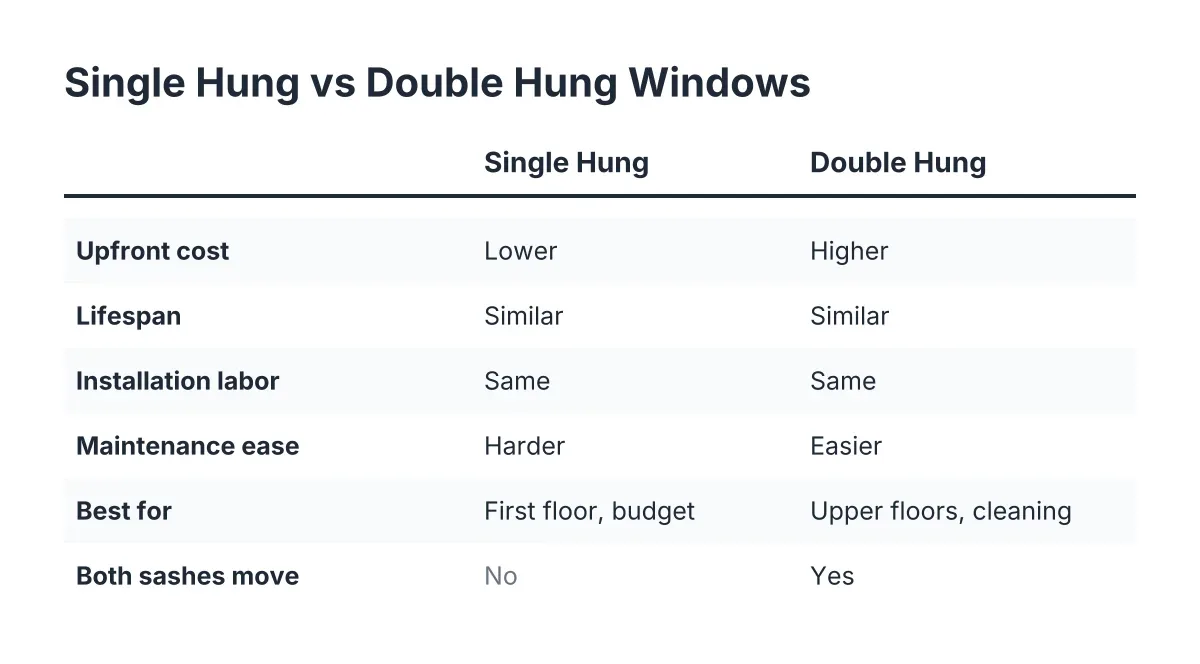
| Criteria | Single Hung | Double Hung Window Installation |
|---|---|---|
| Upfront cost | Lower for a comparable frame and glass package | Higher, since the second operating sash adds hardware and build cost |
| Long-term cost | Slightly lower air leakage potential with one moving sash | Comparable; tilt-in sashes make upkeep easier, which protects the window over time |
| Lifespan | Typically similar to double hung with the same frame material | Typically similar to single hung; more moving parts to maintain |
| Maintenance | Harder to clean from inside; upper sash is fixed | Easier; both sashes tilt in for cleaning from inside the house |
| Best for | First-floor and budget-driven projects | Upper floors, bedrooms, and anywhere cleaning access matters |
Single Hung: Strengths and Trade-offs
A single hung window has two sashes stacked vertically, but only the bottom one moves. You slide the bottom sash up to open it. The top sash is fixed in place. It looks the same as a double hung from the curb, which is why many homeowners cannot tell them apart until they try to open the top half.
The main strength is price. With one operating sash, there is less hardware, fewer seals, and less to build. For the same frame material and glass package, a single hung costs less than a double hung. One fixed sash also means one less place for air to sneak through, so single hung windows tend to seal a little tighter over the years. If you are replacing six or eight windows at once, those savings add up.
The trade-off shows up on cleaning day. Because the top sash does not move or tilt, you clean its exterior glass from outside. On a first floor, that is a hose and a squeegee. On a second floor, that means a ladder every time. Ventilation is also more limited. You can only open the bottom, so you cannot vent warm air out the top while pulling cooler air in below.
Double Hung Window Installation: Strengths and Trade-offs
A double hung window looks identical to a single hung, but both sashes operate. The bottom slides up, the top slides down, and on most modern units both sashes tilt inward. That tilt feature is the reason most Minneapolis homeowners pick double hung for upper floors: you clean every pane from inside the house, standing on your own floor instead of a ladder in the snow.
Double hung also gives you better airflow control. Open the top sash a few inches and the bottom a few inches, and warm air exits high while cooler air enters low. Families with young kids often open only the top sash, which keeps the opening out of reach. During window installation, a double hung goes into the opening the same way a single hung does, so you are not paying extra for labor, only for the window itself. If you want a walkthrough of how that process works, our window installation in Minneapolis page covers it start to finish.
The trade-offs are cost and moving parts. The second operating sash adds to the price of every unit, and more hardware means more balances and seals that can wear over a few decades. A poorly built double hung can also leak more air than a comparable single hung, since both sashes ride in tracks instead of one being fixed. Quality of the window and the install matters more here.
The Difference Between Single Hung and Double Hung Window Installation: The Deciding Factors
Cost drivers
Single hung wins on upfront cost, and the gap grows with the number of windows. The second operating sash is the whole price difference; frame material, glass package, and install labor are the same either way. Pricing varies by project, by floor, and by whether you need insert replacement or full-frame replacement, so get a real quote before you commit. We give free quotes, and we will price both options side by side so you can see the actual gap for your house.
Lifespan
Call this one a tie. Both window types typically last decades with the same frame material and glass, and the frame and the quality of the install matter more than the sash count. A double hung has more moving parts that can wear, but its tilt-in sashes make it easier to keep tracks and weatherstripping in good shape. A well-installed window of either type outlasts a poorly installed one by years.
Installation
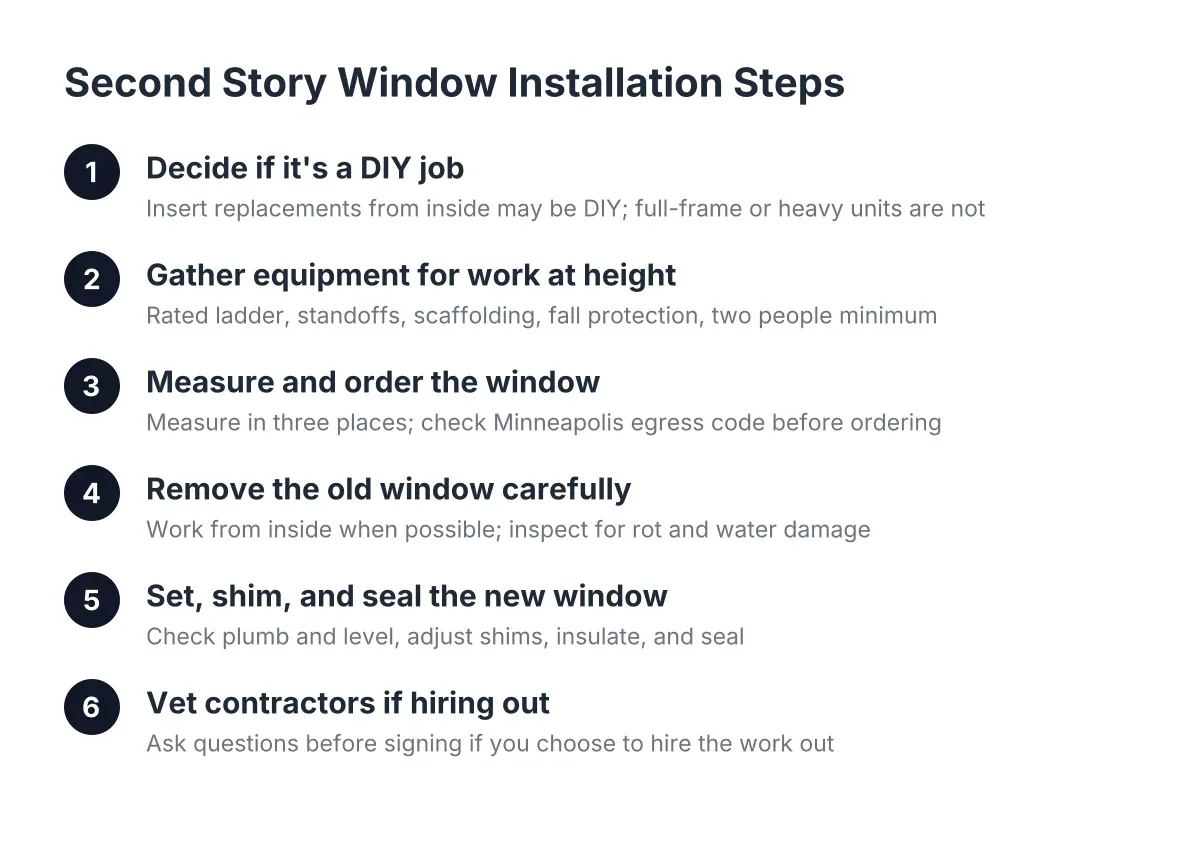
There is no meaningful difference in how these two windows install. Both fit the same rough openings, and a window installer measures, pulls the old unit, sets the new one, and seals and insulates it the same way for each. Whether you need insert replacement, where the new window goes into the existing frame, or full-frame replacement, where we take the opening down to the studs, the single hung vs double hung choice does not change the labor. That is why the decision should rest on how you will use the window, not on the install.
Maintenance
Double hung wins maintenance, and it is not close. Tilt-in sashes mean you clean both sides of every pane from inside, which matters in Minneapolis where exterior cleaning season is short. With a single hung, the fixed upper sash gets cleaned from outside, every time, for the life of the window. On a first floor that is a minor chore. On a second floor it is a ladder, twice a year, in a yard that may be icy into April.
Situational fit
Match the window to the floor. First-floor openings you can reach from the yard are the natural home for single hung: you keep the savings and give up little. Second-story bedrooms, windows over porch roofs, and openings above landscaping you do not want to trample are double hung territory. Many of our Minneapolis projects mix both: single hung on the main floor, double hung upstairs. Basement openings are usually a different conversation entirely, since bedroom egress requirements and window wells often point to casement or glass block instead of either hung style.
Which Should You Choose?
Choose Single Hung if:
- Most of your windows are on the first floor and reachable from outside
- You are replacing many windows at once and the budget is tight
- You want the fewest moving parts and the tightest seal per dollar
- The window sits where you rarely need top-down ventilation, like a garage or utility room
Choose Double Hung Window Installation if:
- The windows are on a second story or above anything hard to reach
- You want to clean every pane from inside the house
- You have kids and want to vent rooms from the top sash only
- You plan to stay in the house long enough that easier upkeep pays off
For most Minneapolis two-story homes, the practical answer is double hung upstairs and either option on the main floor. If the budget covers it, double hung everywhere keeps the house consistent and cleaning simple.
Common Questions
What is the average cost of replacing a window in Minnesota?
There is no single number, because cost depends on window size, frame material, glass package, floor of the house, and whether the opening needs insert or full-frame replacement. A single hung costs less than a comparable double hung, but the gap varies by manufacturer and line. The honest way to get a number is a free quote on your actual openings, which is what we do. We measure, explain what we found, and put a real price on paper.
What is the difference between single hung and double hung window installation?
The window differs; the installation does not. A single hung has one operating sash on the bottom, while a double hung has two operating sashes that usually tilt in for cleaning. Both go into the same openings with the same labor, so the price difference comes from the window itself, not the install.
How much does window installation cost in Saint Louis Park, MN?
Costs in Saint Louis Park and the rest of the Twin Cities area follow the same drivers: window count, size, frame material, floor, and condition of the existing openings. A rotted frame that needs full-frame replacement costs more than a sound frame that takes an insert. Quotes are free, so the fastest path to a real number is a measurement visit, not a guess from a chart.
Which window company in Minnesota offers the best windows?
There is no single best window, only the right window for your opening, budget, and floor of the house. What matters more than the brand name is a straight answer about what your openings need and a careful install. We are a local installer, we quote the work in plain terms, and we will tell you when a cheaper option does the job just as well.
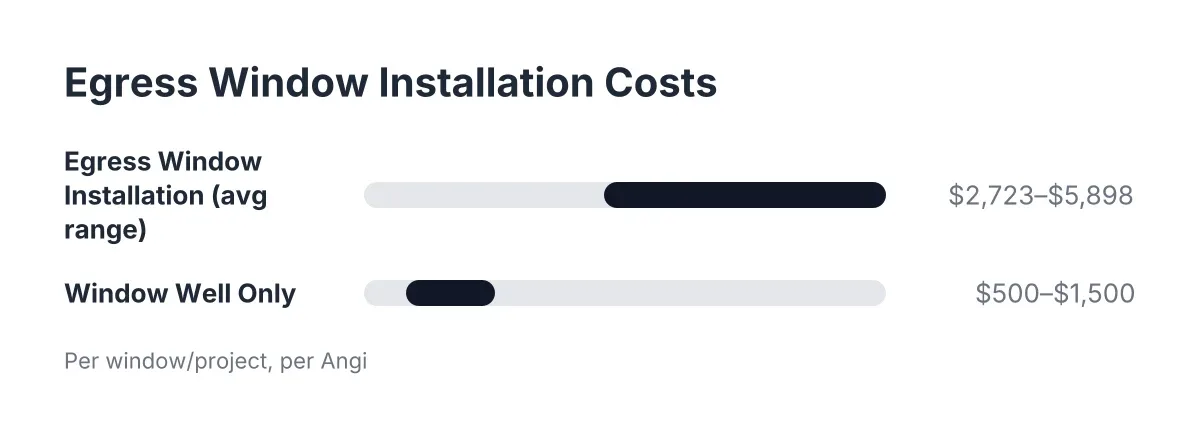
If you need basement egress window installation, Minneapolis Window Pros can help.
Prefer to talk it through? Call (612) 482-9787 — a quick call is usually the fastest way to get a straight answer for your situation.