Second Story Window Installation in Minneapolis: Safety, Equipment, and Hiring Right
Second story window installation is a different job than swapping a first-floor window. The window itself installs the same way: measure, pull the old unit, set the new one plumb and level, insulate, and seal. What changes is everything around that work. You are now 12 to 20 feet off the ground, moving a 60 to 100 pound window through a small opening, often over landscaping, a deck, or a frozen flower bed. For homeowners in Minneapolis, MN deciding whether to tackle this themselves or hire a window installer, this guide walks through the job step by step, with a focus on safety, equipment, and what to ask a contractor before you sign anything.
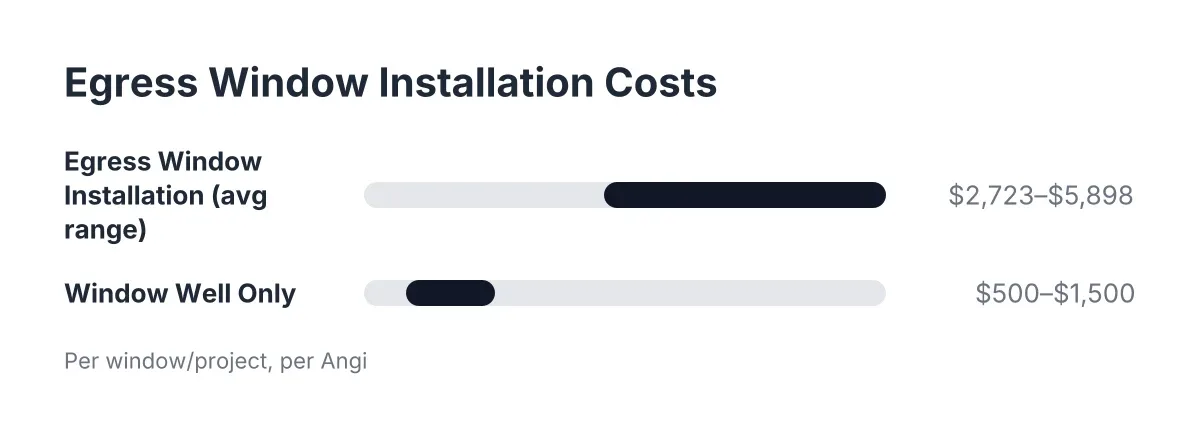
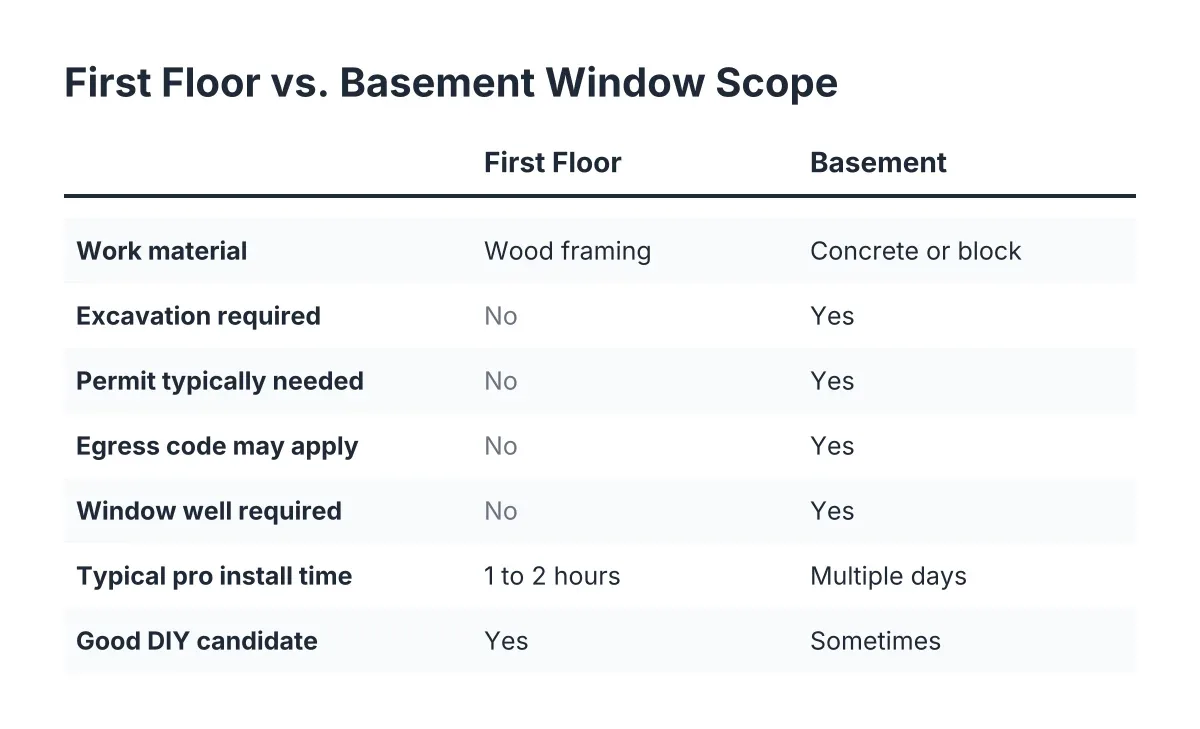
A quick note on scope. If you found this page while researching basement window blocks or egress windows, the same decision logic applies: the hard part is rarely the window, it is the conditions around the window. On the second floor, that condition is height. In the basement, it is concrete and water. Both punish shortcuts.
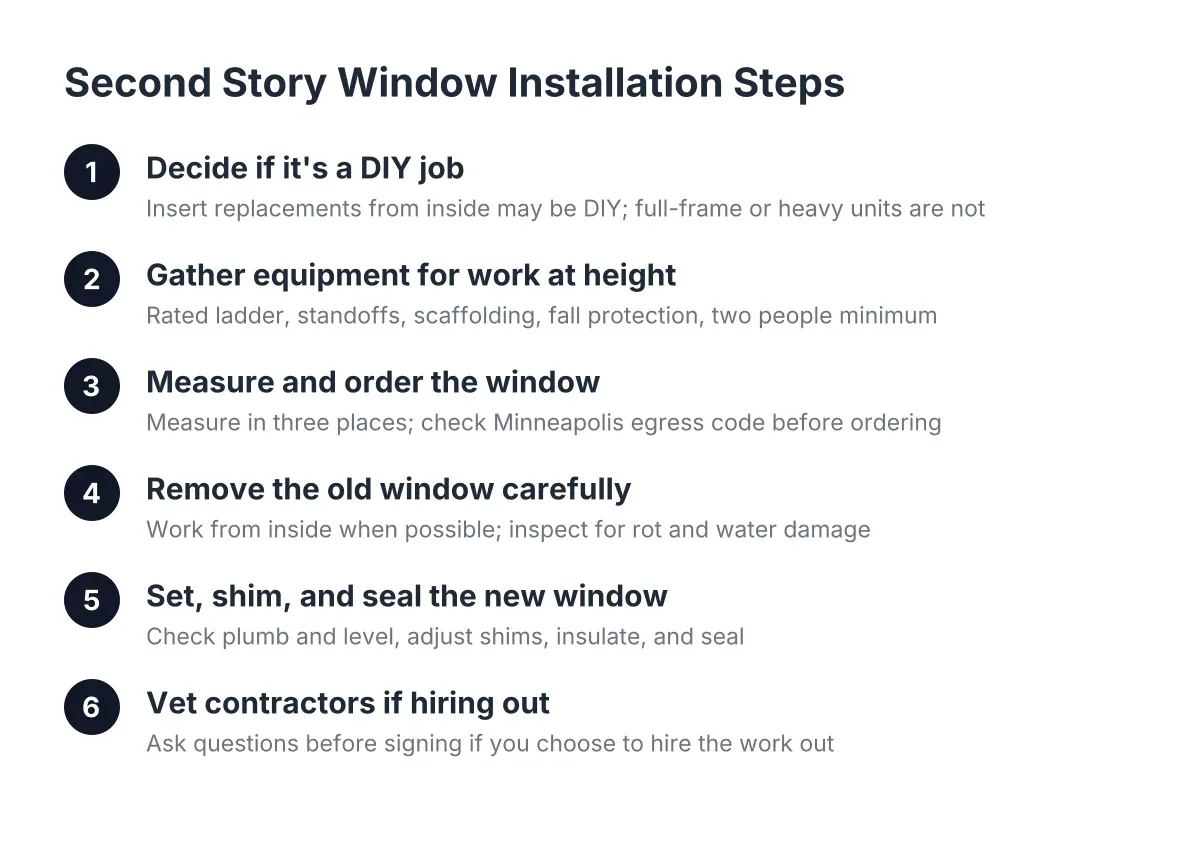
Step 1: Decide Whether Second Story Window Installation Is a DIY Job
Here is the honest answer for a handy homeowner. Installing a second floor window from the inside, as an insert replacement into a sound existing frame, is within reach for someone with solid carpentry skills and a helper. Installing it from the outside, doing a full-frame replacement, or handling a large or heavy unit is not a weekend project. The risk is not embarrassment; it is a fall, a dropped window, or a flashing mistake you will not discover until water stains the ceiling below.
Use these questions to sort yourself:
- Can the old window come out and the new one go in entirely from inside the room? Insert replacements often can. Full-frame replacements usually cannot, because exterior trim, flashing, and siding work happen outside.
- Does the new unit weigh more than you and a helper can control at arm's length through an opening? A large double-hung or casement can run 80 pounds or more.
- Is the exterior wall accessible with a ladder on firm, level ground, or does the window sit above a porch roof, a walkout slope, or a deck?
- Are you changing the opening size at all? Resizing means framing, header work, and exterior finish repair.
If you answered wrong on any of these, price the job out before you rent equipment. Window installation contractors in Minneapolis who do this daily carry the ladders, staging, and crew to make a second floor window go in as cleanly as a first floor one. A free quote costs you nothing and gives you a real number to compare against your materials list and your weekend.
Step 2: Equipment for Successful Second-Story Window Installation Work at Height
The equipment list is where second story window replacement separates from first-floor work. An extension ladder alone is often not enough, because you need both hands free to handle a window, caulk, and flashing tape while standing stable.
A proper setup for exterior second floor window work typically includes:
- An extension ladder rated for the combined weight of worker and materials, set at the correct angle on level footing
- Ladder standoffs or stabilizers so you can work at the opening, not lean past the rails
- Scaffolding or a pump-jack setup for large windows, full-frame replacements, or anything you cannot safely set one-handed
- Fall protection when working from staging at height
- Two people minimum; one inside, one outside, any time a window passes through the opening
That last item deserves emphasis. Setting a window is far easier with two people even at ground level. You tack the unit with a few screws, check plumb and level with a four-foot level at both top and bottom, adjust shims, and only then drive the remaining screws. Try that solo on a ladder and you are holding a sail in the wind with one hand while fishing for a shim with the other.
Minneapolis adds its own wrinkle. From November through March, ladder footing sits on snow, ice, or frost-heaved ground. Professional crews work year-round because they stage properly for it. A DIYer on a borrowed ladder in January should not.
Step 3: Measure and Order the Window Before Anyone Climbs
Measure the existing opening in three places for both width and height, and record the smallest numbers. For an insert replacement, you measure inside the existing frame. For a full-frame replacement, you measure the rough opening, which means pulling interior trim to see it.
In addition, check what Minneapolis code expects of the opening. If the second floor room is a bedroom, Minneapolis code requires a window at least 20 inches wide by 24 inches high with nothing blocking it, according to the City of Minneapolis. Second story window regulations also touch on egress; bedroom windows must open enough for someone to get out in a fire. If your old window barely met that bar, do not order a replacement style that shrinks the clear opening. This is a common miss when swapping a double-hung for a different operating style.
Ordering wrong is the most expensive DIY mistake that does not involve falling. Custom windows are not returnable, and lead times in 2026 commonly run several weeks.
Step 4: Remove the Old Window Without Wrecking the Opening
Work from the inside when you can. Pull the interior stops, remove the sashes, and free the old frame or jamb liners depending on the window type. On a full-frame job, you also cut the exterior nailing fin free, which is the point where most DIYers realize they need staging outside, not a ladder.
Inspect the exposed rough opening before the new window goes anywhere near it. Look for rot in the sill, water staining under the old flashing, and gaps in the sheathing. Second floor openings hide damage well because nobody looks at them closely from the ground. Fix rot now; a new window sealed over a soft sill fails early.
Step 5: Set, Shim, and Seal the New Window
This step runs the same on any floor, which is why pros make it look easy on YouTube. First, dry-fit the window to confirm it sits in the opening with an even gap. Next, apply sealant or sill flashing per the manufacturer's instructions, set the window, and tack it with two screws. Then check plumb and level at the top and bottom of the frame, shimming until a four-foot level reads true in both directions. Only after that do the remaining fasteners go in.
Alignment is not cosmetic. A window racked out of plumb binds when it operates, leaks air at the corners, and lets water track behind the flashing. On a second story window installation, fixing that mistake later means setting up at height all over again, so get it right while the staging is in place.
Finish with low-expansion foam or backer rod and sealant in the gap, exterior flashing tape lapped shingle-style so water sheds down and out, and exterior trim or siding repair. The sealant joint is doing long-term work here; wood, vinyl, and cladding all expand at different rates, and the caulk is what keeps that moving joint watertight over Minnesota's 130-degree annual temperature swing.
Step 6: Vet Contractors Before You Hire the Second Story Work Out
Suppose a homeowner in the Longfellow neighborhood prices this out. Say the project is two second floor double-hungs in a 1950s story-and-a-half. DIY materials might pencil out cheaper on paper, but the quote comparison only means something if every bidder is pricing the same scope. When you call window installation contractors in Minneapolis, ask:
- Is this bid for an insert replacement or a full-frame replacement? The labor and exterior work differ a lot.
- How will the crew access the second floor opening: ladders, standoffs, or scaffolding? Vague answers here predict vague work.
- Who handles flashing and exterior trim repair, and is it in the price?
- What happens if the crew finds rot in the rough opening?
- Does the quote include permits where the city requires them?
A local installer should answer all five in plain language on the first call. A quote from a script, where nobody has looked at your wall, is a guess dressed up as a number.
How Long Does Second Floor Window Installation Take?
A typical crew replaces a standard second floor window in two to four hours, including setup and cleanup, once staging is in place. An insert replacement runs faster than a full-frame job, which adds exterior trim, flashing, and siding repair. A whole-house project with multiple second story windows usually wraps in one to two days.
For a DIYer, double or triple those numbers. Setup at height eats time, and working carefully on a ladder is slower than working carefully on the ground. However, speed is the wrong metric here. A slow, plumb, well-flashed window beats a fast one every time.
Can I Install Second Story Windows Myself or Should I Hire a Professional?
You can install a second story window yourself if it is an insert replacement that goes in entirely from inside, the unit is light enough for two people to control, and you have a sound existing frame. Hire a professional for full-frame replacements, large or heavy units, openings above decks or slopes, and any job requiring exterior staging.
The budget math matters too, so run it honestly. Add up the window, flashing materials, sealant, foam, ladder or scaffold rental, and a helper's time. Compare that against a written quote for the installed job. For many handy homeowners, the gap is smaller than expected once equipment rental enters the picture, and the pro price includes someone else assuming the fall risk and the water-leak risk.
One more trade-off worth naming. Even a clean DIY install can complicate a window manufacturer's warranty, and a flashing mistake on the second floor can damage the wall below it for years before you see it. If the job involves structural changes, resizing an opening, or any question about bedroom egress requirement compliance, bring in a professional and pull the permit. Pricing varies by project, but quotes are free, and in Minneapolis the straight answer is a phone call away.
If you need basement egress window installation, Minneapolis Window Pros can help.
Related guide: window installation — Complete Guide
Prefer to talk it through? Call (612) 482-9787 — a quick call is usually the fastest way to get a straight answer for your situation.