How Much Does Window Replacement Cost?
Window replacement cost comes down to three things more than anything else: how many windows you replace, whether the job is an insert replacement or a full-frame replacement, and what shape the openings are in once the old units come out. Anyone who hands you a firm number before looking at your house is guessing. This guide walks through what actually moves the price, what a real quote should include, and how to keep the total down without cutting corners. By the end, you will know exactly how to get an accurate number for your own home.
What Drives the Cost of Window Replacement
Number of Windows
More windows means more material and more labor, so the total climbs with the count. But the per-window price often drops as the count goes up, because the crew is already on site with tools staged and trim stock cut. Replacing one window is the most expensive way to buy a window. If several are failing, pricing the whole batch at once usually beats doing them one at a time over several years.
Insert vs. Full-Frame Replacement
An insert replacement slides a new unit into your existing frame. It is faster and cheaper because the frame, trim, and siding stay put. A full-frame replacement pulls everything out to the rough opening, which costs more but is the right call when the frame itself is rotted, out of square, or leaking air. Here is a quick test: if the frame wood is soft when you press a screwdriver into it, or you can see daylight at the corners, budget for full-frame. If the frame is solid and square, inserts are on the table.
Window Style and Material
A basic double-hung vinyl window sits at the low end. Casement windows, with their crank hardware, cost more. Wood and fiberglass frames cost more than vinyl. Custom sizes and shapes cost more than stock sizes. None of these choices are wrong; they just land in different places on the price ladder. If budget is tight, standard sizes in vinyl double-hung units keep the number down. If you plan to stay in the house for decades, a step up in material can be worth it.
Condition of the Opening
The price on paper assumes the opening is sound. Rotted sills, water damage behind the trim, or framing that has shifted all add labor before the new window can go in. Older Minneapolis homes see this more than newer construction, because decades of freeze and thaw cycles work on everything. You can spot warning signs yourself: peeling paint below the window, soft or stained drywall around it, or a sash that will not stay square in its track.
Floor and Access
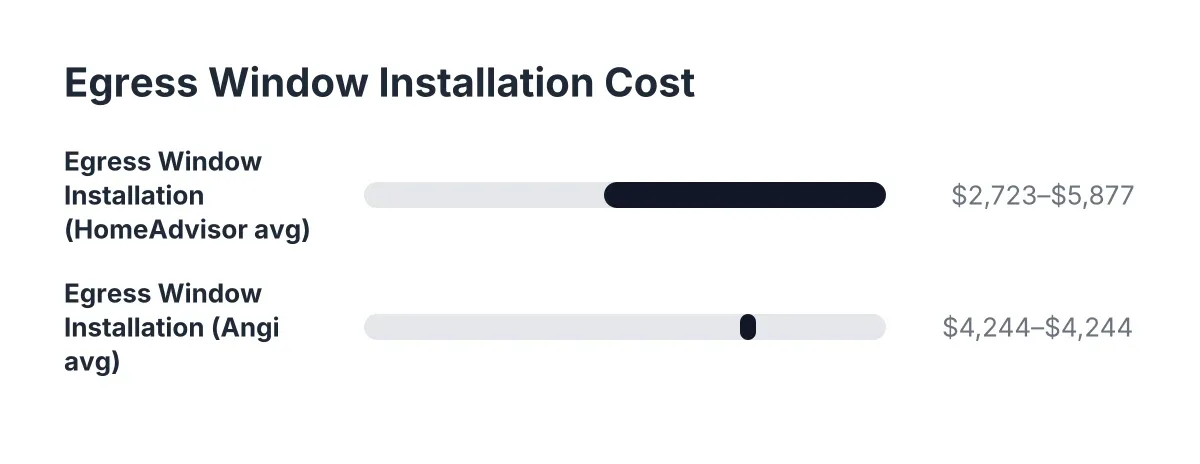
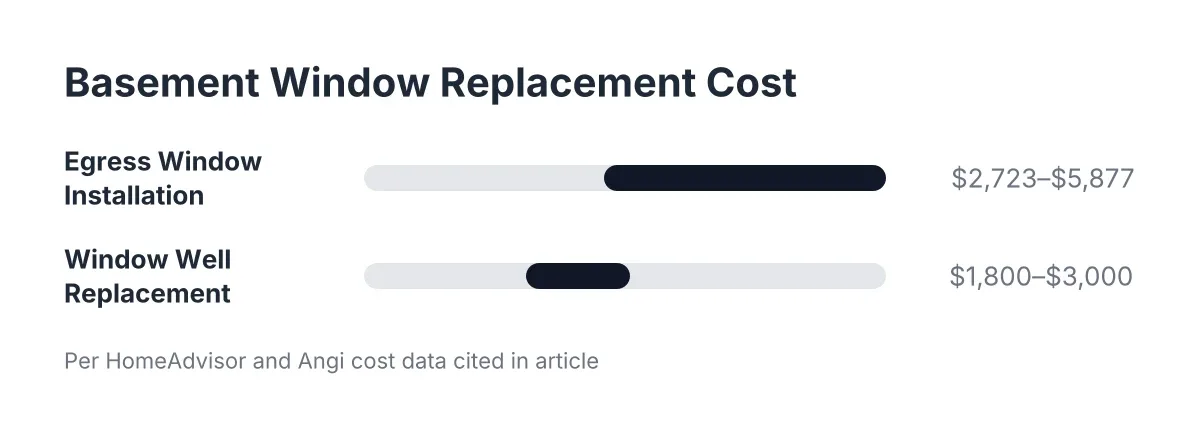
A first-floor window is the easiest job in the house. Second-story and attic windows add ladder or scaffold time. Basement windows bring their own set of rules, especially if the room counts as a bedroom. The bedroom egress requirement means the window must be big enough for a person to escape through, which can mean cutting the foundation opening larger and adding a window well. That is a bigger job than a swap, and it is work we do often, including window well installation and galvanized egress window wells sized for Minneapolis frost depth. For a detailed look at what that project involves, our egress window cost breakdown covers materials, labor, permits, and wells.
Glass and Energy Package
Double-pane glass is the baseline. Triple-pane, low-E coatings, and gas fills between panes raise the price and lower your heating bill, which matters in a Minnesota winter. The right answer depends on how long you plan to own the home. A short stay favors the standard package. A long stay gives the energy savings time to pay you back.
Cost Factor Table
| Factor | Pushes the price down when… | Pushes it up when… |
|---|---|---|
| Window count | You bundle several windows into one project | You replace one window at a time over years |
| Replacement type | Frames are sound and inserts work | Rot or air leaks call for full-frame replacement |
| Style and material | You pick stock-size vinyl double-hung units | You choose casement, wood, fiberglass, or custom sizes |
| Opening condition | Sills and framing are dry and solid | Rot or water damage needs repair first |
| Floor and access | Windows are on the first floor with easy access | Upper floors need ladders, or basements need egress work |
| Glass package | Standard double-pane fits your plans | Triple-pane or upgraded coatings make sense long term |
How to Get an Accurate Window Replacement Estimate
A real estimate starts with someone measuring your actual openings. Before that visit, you can speed things up by having a few things ready: a count of the windows you want replaced, which rooms they are in, the age of the house if you know it, and photos of any damage you have noticed. Mention whether any basement room is used as a bedroom, since that triggers the egress conversation early instead of mid-project.
A good quote spells out the work, not just a total. It should name the window brand and model, state whether each opening gets an insert or a full-frame replacement, list what happens to trim inside and out, and say who handles disposal of the old units. It should also flag anything the installer could not verify, like hidden framing condition, and explain how that gets handled if it turns up.
Estimates differ between providers for real reasons. One installer may quote inserts while another quotes full-frame. One may include interior trim work while another leaves it to you. Large outfits often quote from a script without seeing the house, which is how surprise charges happen later. When quotes are far apart, ask each window installer to walk you through what is included. The gap usually lives in the scope, not the markup. Our quotes are free, and we give you a real number up front, based on your actual house. You can read more about how we handle window replacement in Minneapolis, MN, including the full process from measurement to cleanup, on our window replacement service page.
Ways to Keep the Cost Down
Bundle the work. Pricing five windows in one project almost always beats pricing five separate one-window jobs. The crew sets up once, and you pay for that setup once.
Match the fix to the problem. If your frames are sound, do not pay for full-frame replacement you do not need. A good installer will tell you which openings qualify for inserts and which do not.
Pick stock sizes and standard styles where it does not matter. Save the upgrades for the windows you look through every day. A utility room does not need the same glass package as your living room.
Get two or three quotes with the same scope. Comparing quotes only works when they describe the same job. Hand each installer the same window count and the same expectations, then compare line by line.
Fix small problems before they become big ones. Caulk gaps, keep paint intact on wood frames, and clear window wells of leaves and snow. Water is what turns a window swap into a framing repair.
Cost Questions People Ask
What is the average cost to replace windows in Minnesota?
Published averages are built from projects that may look nothing like yours, so we do not quote one. Minnesota adds its own wrinkles: deep frost, hard freeze-thaw cycles, and a strong case for better glass packages, all of which shift the math from house to house. The honest path is a measured quote on your actual windows. Ours are free, so there is no cost to finding out your real number.
What is the typical cost of replacing windows in Minneapolis?
It depends on the same factors covered above: window count, insert versus full-frame, style, and the condition of your openings. Minneapolis housing stock runs old in many neighborhoods, so opening condition matters more here than in newer suburbs. A quote based on your specific house will beat any citywide figure you find online.
How much does window replacement cost in Robbinsdale, MN?
The drivers in Robbinsdale are the same as anywhere in the Twin Cities area: how many windows, what type of replacement, and what the crew finds when the old units come out. City lines do not change the math much; your house does. Get a measured quote and you will have a number you can actually budget against.
Is a basement egress window more expensive than a regular window?
Usually, yes, because it is a different kind of project. If the existing opening is too small to meet the bedroom egress requirement, the foundation gets cut larger, and a window well goes in outside. Permits and code compliance are part of the job in a finished basement that includes a bedroom. That is more labor than a straight swap, which is why we quote egress work after seeing the site.
The Bottom Line
The cost of replacing your windows hinges on count, replacement type, and the condition of what is behind the trim, and no honest installer can price that sight unseen. Get two or three measured quotes with matching scopes, compare them line by line, and the right number will be obvious. If you are in the Minneapolis area, request a free quote and you will have a real figure to budget with instead of a guess.
If you need basement egress window installation, Minneapolis Window Pros can help.
Related guide: window replacement — Complete Guide
Prefer to talk it through? Call (612) 482-9787 — a quick call is usually the fastest way to get a straight answer for your situation.